
coco peat plant has become a widely discussed topic in modern horticulture as growers search for sustainable and efficient planting media. The background of this growing interest is closely related to global challenges in agriculture, including soil degradation, water scarcity, and the demand for environmentally friendly alternatives to conventional growing substrates.
In many regions, traditional soil-based cultivation faces limitations due to poor structure, low fertility, or contamination. As a result, agricultural practitioners, urban gardeners, and commercial growers are increasingly turning their attention to coco peat as a practical solution that aligns with sustainable farming principles.
Understanding Coco Peat and Its Agricultural Role
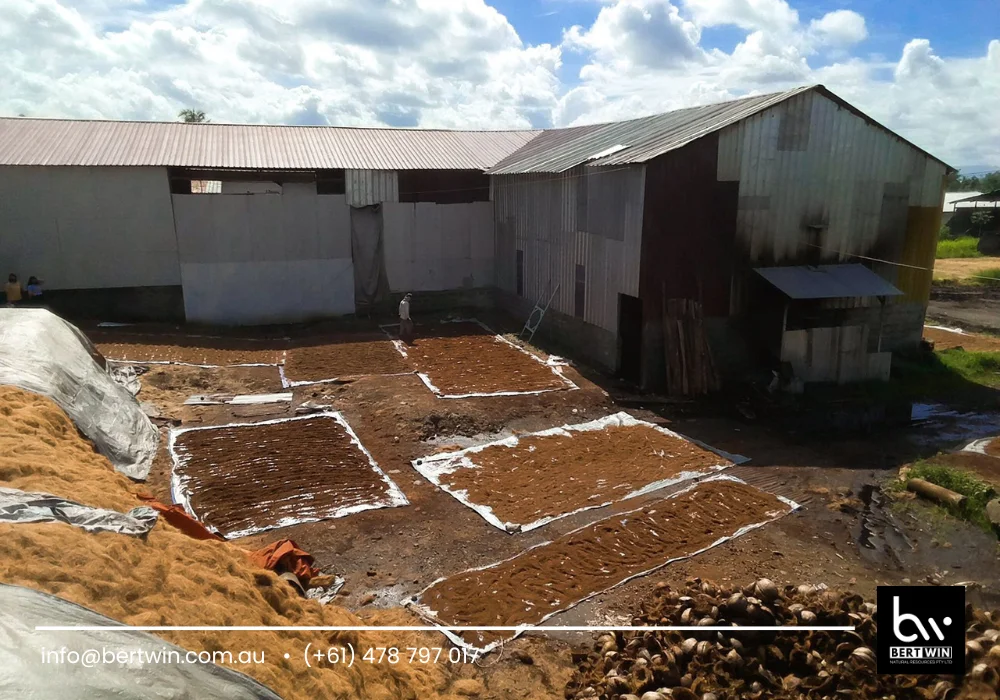
Coco peat plant is derived from coconut husk fibers, a natural byproduct of the coconut processing industry. Once considered waste, coconut husks are now processed into fine, spongy material that can be used as a planting medium. This transformation supports waste reduction while creating value-added agricultural products.
Physical Characteristics and Composition
Coco peat plant is known for its lightweight texture and high porosity. These properties allow roots to access oxygen more easily, which is essential for healthy plant development. At the same time, coco peat has an impressive capacity to retain moisture, helping plants maintain consistent hydration even in fluctuating environmental conditions.
From an agronomic perspective, coco peat is typically neutral in pH and low in nutrients. This makes it a flexible base material that can be combined with fertilizers or compost according to specific crop requirements.
Benefits of Using Coco Peat in Plant Cultivation
One of the main advantages associated with coco peat plant cultivation is improved water efficiency. Research and field observations indicate that coco peat can retain water several times its own weight, reducing irrigation frequency and minimizing water waste.
In addition, coco peat provides excellent drainage, preventing waterlogging and reducing the risk of root diseases. This balance between moisture retention and drainage is often difficult to achieve with conventional soil alone.
Support for Root Development
Healthy root systems are fundamental to plant productivity. Coco peat creates a loose structure that allows roots to expand freely without compaction. This environment supports stronger root networks, which in turn enhance nutrient uptake and overall plant vigor.
Growers frequently report more uniform growth and better plant stability when coco peat is used as part of the growing medium, especially in container-based cultivation systems.
Applications Across Different Plant Types
Coco peat is used across a wide range of plant categories, including vegetables, ornamental plants, fruit crops, and nursery seedlings. In commercial greenhouses, it is often used in hydroponic and soilless systems where precise control over nutrients and moisture is essential.
Use in Urban and Home Gardening
Urban agriculture has benefited significantly from coco peat plant-based substrates. Rooftop gardens, balcony planters, and vertical farming systems often rely on lightweight media to reduce structural load. Coco peat meets these requirements while providing reliable growing conditions.
Home gardeners also appreciate its cleanliness and ease of handling compared to traditional soil, making it suitable for indoor plants and small-scale gardening projects.
Environmental and Sustainability Considerations
Sustainability is a key factor driving the adoption of coco peat plant media. Coconut trees are renewable resources, and their husks are continuously produced as part of the coconut industry. Utilizing this material reduces agricultural waste and supports circular economy practices.
Unlike peat moss extracted from natural peatlands, coco peat does not contribute to the destruction of sensitive ecosystems. This environmental advantage has made it an attractive alternative in regions with strict sustainability regulations.
Contribution to Global Supply Chains
Coco peat production supports rural economies in coconut-producing countries. Processing, packaging, and export activities create employment opportunities while encouraging responsible resource management.
International demand for coco peat continues to grow, particularly in markets that prioritize sustainable agriculture inputs. Quality consistency and proper processing standards are critical factors in maintaining this global trade.
Managing Nutrients and Fertilization
Because coco peat contains minimal inherent nutrients, proper fertilization is essential for successful plant growth. Growers typically supplement coco peat with organic compost, mineral fertilizers, or nutrient solutions tailored to specific crops.
Calcium and magnesium management is particularly important, as coco peat can bind certain nutrients if not properly treated. Pre-buffered coco peat products are commonly used to address this issue and simplify cultivation practices.
Compatibility with Modern Farming Systems
Coco peat plant integrates well with drip irrigation, fertigation, and hydroponic systems. Its consistent structure allows for predictable water and nutrient distribution, which is crucial for large-scale and precision agriculture operations.
This compatibility makes coco peat suitable for both traditional farming and advanced controlled-environment agriculture.
Challenges and Best Practices
Despite its advantages, coco peat requires proper handling to achieve optimal results. Excessive compaction can reduce aeration, while poor-quality processing may result in high salt content. Therefore, sourcing from reliable suppliers is essential.
Regular monitoring of pH and electrical conductivity helps maintain balanced growing conditions. When managed correctly, coco peat can deliver stable and productive outcomes across multiple growing cycles.
Future Outlook for Coco Peat in Agriculture
As climate change and resource limitations continue to shape agricultural strategies, coco peat is expected to play an increasingly important role. Ongoing research focuses on improving processing techniques, blending coco peat with other organic materials, and enhancing its performance in diverse climatic conditions.
The long-term outlook suggests that coco peat plant applications will expand further as sustainability becomes a central criterion in agricultural decision-making.
Conclusion
Coco peat plant offers a practical and environmentally responsible solution for modern plant cultivation. Its physical properties, sustainability benefits, and versatility make it suitable for a wide range of agricultural and horticultural uses.
By supporting healthy root development, efficient water use, and sustainable resource management, coco peat plant continues to gain recognition as a reliable growing medium for the future of agriculture.
For further information, you may contact WhatsApp at (+61) 478797017 or via email at info@bertwin.com.au.