
coco peat online has become a widely discussed topic as the gardening and horticulture sector adapts to digital purchasing trends and growing environmental awareness. In recent years, concerns about climate change, soil degradation, and the ecological impact of traditional growing media have encouraged gardeners and professional growers to seek sustainable alternatives. At the same time, online access to agricultural inputs has expanded rapidly, reshaping how consumers research, compare, and purchase planting materials.
Background of Coco Peat in the Digital Era
Coco peat, also known as coir pith, is derived from the fibrous husk of coconuts and has evolved from an agricultural by-product into a valuable growing medium. Historically, coconut husks were often discarded or underutilized in producing countries. As sustainability gained global attention, researchers and growers began to recognize coco peat as a renewable resource with strong agronomic potential.
The rise of digital marketplaces has played a significant role in this transformation. Online platforms allow consumers to access detailed product information, certifications, and usage guidelines before purchasing. This shift has increased transparency and helped coco peat gain broader acceptance among environmentally conscious gardeners and commercial producers alike.
Key Properties That Drive Demand
Coco peat is valued for its physical and chemical characteristics, which support healthy plant growth across various applications. Its fibrous texture creates a balance between moisture retention and aeration, two factors that are critical for root development.
Water Management and Root Support
One of the most important features of coco peat online is its ability to hold water efficiently while avoiding compaction. This property ensures that plants receive consistent moisture without the risk of waterlogging. As a result, roots can develop more evenly and access oxygen more effectively, leading to stronger and more resilient plants.
pH Stability and Versatility
Coco peat typically has a near-neutral pH, making it suitable for a wide range of crops. With proper nutrient supplementation, it can be used for vegetables, ornamentals, herbs, and even advanced cultivation systems. This versatility has contributed significantly to its growing popularity in both home and professional gardening environments.
Environmental Benefits and Sustainability
Environmental considerations are a major factor behind the increasing use of coco peat. Unlike peat moss, which forms over thousands of years in fragile wetland ecosystems, coco peat comes from a renewable agricultural source. Coconut palms produce fruit continuously, ensuring a steady supply of raw material without long-term ecological damage.
Using coco peat also supports waste reduction. By transforming coconut husks into a useful growing medium, producers contribute to a circular economy that maximizes resource efficiency. This sustainable approach aligns with global efforts to reduce carbon emissions and preserve natural habitats.
Applications in Home Gardening
Home gardeners use coco peat in various ways to improve plant health and soil quality. It is often mixed with garden soil to enhance structure, especially in sandy or compacted soils. In container gardening, coco peat helps regulate moisture levels, reducing stress on plants during hot or dry conditions.
Seed Starting and Early Growth
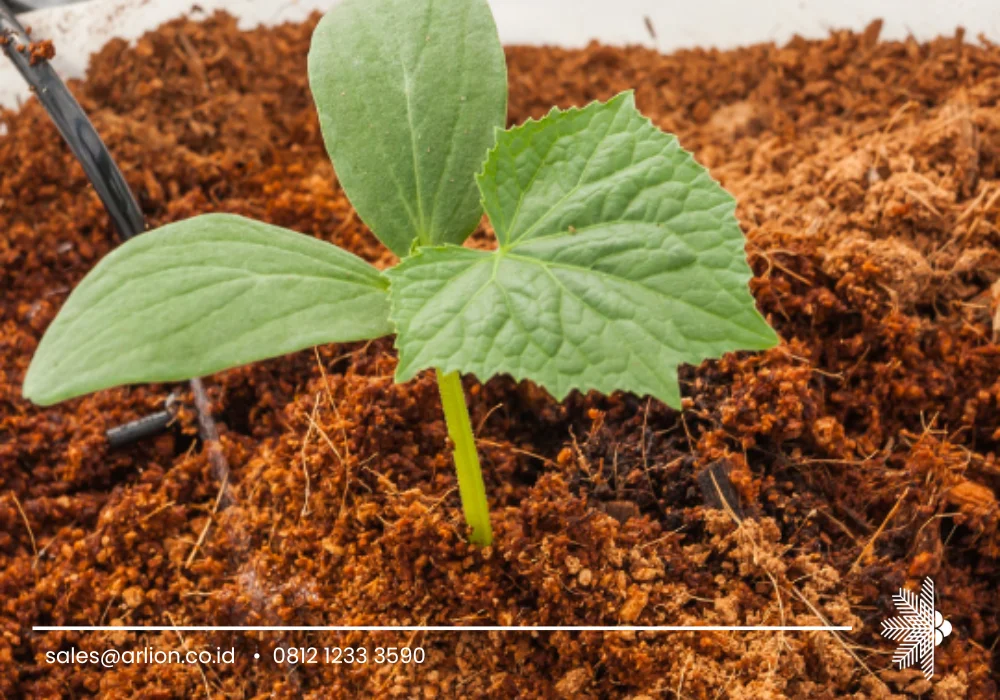
Coco peat is particularly popular for seed starting and propagation. Its clean and uniform composition provides a stable environment for germination, minimizing exposure to soil-borne diseases. This makes it suitable for growing seedlings that require consistent moisture and gentle support during early development stages.
Urban and Indoor Gardening
In urban settings, where space and weight limitations are common, coco peat offers practical advantages. Its lightweight nature makes it ideal for balconies, rooftops, and indoor gardens. Gardeners can create productive growing systems without relying on heavy soil, which can be difficult to manage in confined spaces.
Use in Commercial Horticulture
Beyond household applications, coco peat plays an important role in commercial horticulture. Greenhouses and nurseries rely on consistent growing media to maintain uniform crop quality. Coco peat provides predictable performance, allowing growers to control irrigation and nutrient delivery with precision.
In intensive production systems, this level of control supports higher yields and reduces resource waste. As sustainability standards become stricter, many professional growers are incorporating coco peat into their operations to meet both environmental and economic objectives.
Market Trends and Consumer Behavior
The discussion around coco peat online reflects broader changes in consumer behavior. Buyers increasingly expect detailed product descriptions, sustainability credentials, and convenient delivery options. Online purchasing meets these expectations by providing access to information that supports informed decision-making.
Digital platforms also enable price comparison and global sourcing, which has increased competition and improved product quality. As a result, coco peat has become more accessible to a wider audience, from hobby gardeners to large-scale agricultural producers.
Challenges and Best Practices
Despite its many advantages, coco peat online requires proper preparation and management. Naturally low in nutrients, it must be supplemented with fertilizers to support healthy plant growth. Quality processing is also essential to remove excess salts that may affect sensitive crops.
Education plays a key role in responsible use. When gardeners understand how to condition and manage coco peat correctly, they can maximize its benefits while avoiding common mistakes.
Future Outlook of Coco Peat
Looking ahead, coco peat online is expected to remain a central component of sustainable gardening and horticulture. Innovations in processing, packaging, and blending are likely to enhance its performance and expand its applications. As environmental awareness continues to grow, renewable growing media will become increasingly important in shaping the future of agriculture.
The continued attention to coco peat online highlights the intersection of sustainability, digital access, and modern cultivation practices. Coco peat represents a practical solution for those seeking efficient plant growth while minimizing environmental impact.
For further information coco peat online, you may contact WhatsApp at (+61) 478797017 or via email at sales@arlion.co.id.