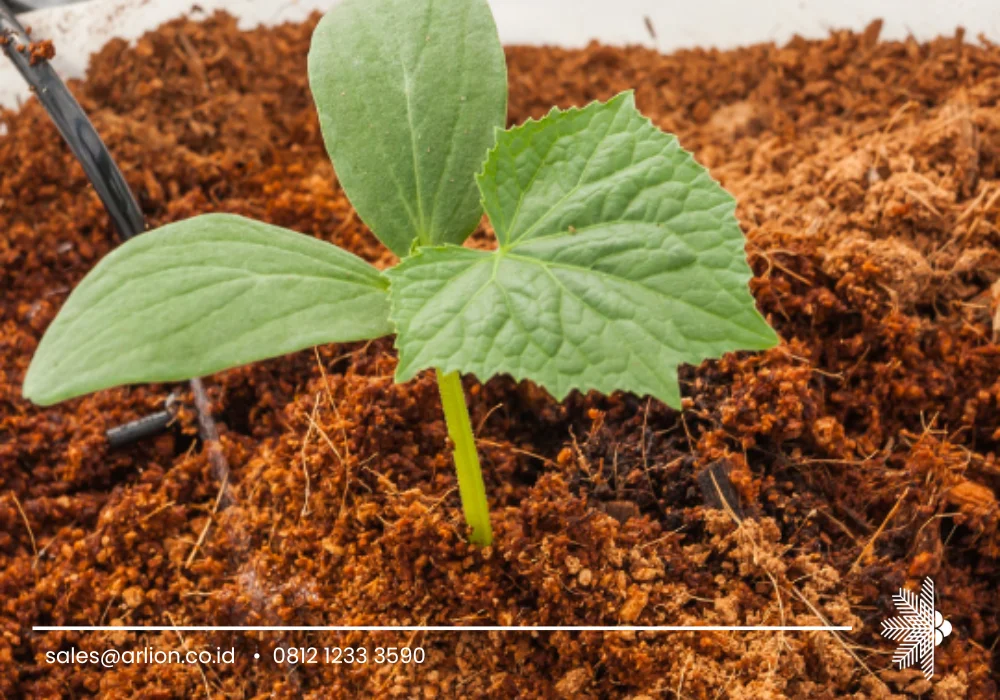
coco peat nursery plant has become a prominent topic in agricultural and environmental news as the global horticulture industry searches for sustainable growing media alternatives. In this opening paragraph, the background highlights increasing concerns over soil degradation, peat moss exploitation, and the urgent need for eco-friendly solutions that support nursery production while preserving natural ecosystems.
Rising Demand for Sustainable Growing Media
In recent years, the horticulture and nursery sectors have faced mounting pressure to adopt environmentally responsible practices. Traditional growing media, such as peat moss extracted from natural bogs, have been criticized for contributing to ecosystem damage and carbon emissions. This situation has encouraged growers, researchers, and policymakers to explore renewable and biodegradable substitutes.
Coconut-based products have emerged as one of the most promising alternatives. Derived from coconut husk waste, coco peat has transformed from an overlooked byproduct into a valuable resource for plant cultivation. The growing popularity of coco peat nursery plant applications reflects a broader shift toward sustainability-driven agricultural practices.
Background of Coco Peat Utilization
Coco peat is produced from the fine particles of coconut husk after fiber extraction. Historically, coconut husk was considered agricultural waste in many producing countries. Today, it is processed into a lightweight, porous, and water-retentive medium suitable for a wide range of plants.
The nursery industry has shown particular interest in this material due to its consistent structure and adaptability. As demand for healthy seedlings increases, growers are prioritizing growing media that support strong root development and uniform plant growth.
Why Nurseries Are Turning to Coco Peat
Nurseries require growing media that provide optimal moisture retention, aeration, and nutrient availability. Coco peat meets these criteria while offering additional environmental benefits. Unlike soil-based media, it is free from soil-borne pathogens and weeds, reducing the need for chemical treatments.
The use of coco peat nursery plant systems also aligns with modern nursery management, where efficiency, cleanliness, and scalability are essential. These advantages have been frequently highlighted in agricultural reports and trade publications.
Industry Trends and Market Development
The global market for coconut-based growing media has expanded steadily, driven by the rise of commercial nurseries, urban gardening, and greenhouse cultivation. Countries with strong coconut industries, including Indonesia, have become key suppliers to international markets.
Coco peat nursery plant products are now widely used in seedling trays, polybags, and hydroponic systems. Their versatility has attracted both small-scale growers and large commercial operations seeking reliable and sustainable solutions.
Applications in Nursery Production
In nursery settings, coco peat is commonly used for germination and early plant growth stages. Its ability to retain moisture while maintaining air pockets supports rapid root establishment. This characteristic is especially beneficial for vegetable seedlings, ornamental plants, and fruit tree saplings.
Nurseries also value the uniformity of coco peat-based media, which helps ensure consistent growth across large batches of plants. This consistency reduces losses and improves overall production efficiency.
Economic and Environmental Impact
The adoption of coconut-based growing media has positive economic implications for coconut-producing regions. Processing coconut husk into coco peat creates additional income streams for farmers and local industries. This value-added approach supports rural economies and job creation.
From an environmental perspective, utilizing agricultural waste reduces landfill use and open burning. It also decreases reliance on non-renewable resources, contributing to more sustainable agricultural supply chains. These impacts are frequently emphasized in sustainability-focused news coverage.
Challenges and Quality Considerations
Despite its advantages, the use of coco peat is not without challenges. Quality consistency remains a critical issue, as improper processing can lead to high salt content or uneven particle size. Nurseries must ensure that products meet established standards to avoid negative effects on plant growth.
Proper washing, buffering, and quality control are essential steps in producing high-grade coco peat. Industry stakeholders continue to invest in better processing technologies and certification systems to address these concerns.
Role of Standards and Certification
International markets increasingly demand certified growing media that meet specific environmental and quality criteria. Certification helps assure buyers that the product is safe, sustainable, and suitable for nursery use.
For coco peat nursery plant applications, compliance with quality standards enhances trust and market acceptance. This trend encourages producers to improve transparency and adopt best practices across the supply chain.
Innovation and Research Developments
Ongoing research focuses on improving coco peat formulations by blending them with other organic materials to enhance nutrient availability. Scientists and agronomists are also studying long-term effects on plant health and soil systems.
Innovation in packaging and compression techniques has further expanded export opportunities. These developments make coco peat easier to transport and store, supporting its growing role in global horticulture.
Future Outlook of Nursery Growing Media
As sustainability becomes a defining factor in agricultural development, demand for renewable growing media is expected to continue rising. Nurseries worldwide are reassessing their input materials to align with environmental goals and consumer expectations.
In this context, coco peat nursery plant solutions are positioned as a practical response to both ecological and economic challenges. Continued collaboration between producers, researchers, and nursery operators will be essential to maximize benefits and address limitations.
The broader implication is clear: sustainable materials are shaping the future of plant production. Coco peat’s journey from waste to valuable resource illustrates how innovation and environmental awareness can redefine agricultural practices on a global scale.
For further information, you can contact WhatsApp (+62) 812-1233-3590 or via email sales@arlion.co.id.