
coco peat manufacturers have become increasingly important as global agriculture shifts toward sustainable and environmentally responsible practices. In recent years, the demand for eco-friendly growing media has risen sharply due to concerns about soil degradation, climate change, and the environmental impact of non-renewable resources. This background explains why producers of coco peat are now seen as key players in supporting modern farming, horticulture, and landscaping industries worldwide.
The Role of Coco Peat in Modern Agriculture
Coco peat is derived from coconut husks, a by-product of the coconut industry that was once considered waste. Through processing and refinement, this material is transformed into a valuable growing medium known for its high water retention, good aeration, and adaptability to different crops.
As agriculture becomes more technology-driven and sustainability-focused, coco peat is widely adopted as an alternative to traditional peat moss. Wetland preservation efforts and stricter environmental regulations have further strengthened its position in the global market.
Why Coco Peat Is in High Demand
The popularity of coco peat manufacturers stems from its physical and environmental advantages. It can hold moisture efficiently while allowing roots to breathe, reducing the risk of root diseases. Its lightweight structure also lowers transportation costs and simplifies handling.
From an environmental standpoint, coco peat supports the circular economy by converting agricultural waste into a productive resource. This aligns well with global sustainability goals and consumer expectations for responsibly sourced products.
Global Expansion of the Coco Peat Industry
Major coconut-producing regions in Asia, Africa, and the Pacific have seen rapid growth in coco peat production. Export-oriented processing facilities have emerged to serve markets in Australia, Europe, the Middle East, and North America, where demand for sustainable inputs continues to rise.
How Coco Peat Manufacturers Operate
Understanding production practices helps clarify how quality and consistency are maintained across different markets.
Raw Material Sourcing and Processing
The production process begins with sourcing mature coconut husks from coconut processing centers. These husks are soaked to soften the fibers and then mechanically processed to separate long fibers from the finer pith material.
coco peat manufacturers, The pith undergoes washing to reduce salinity, especially important for agricultural use. This step ensures the final product is safe for plant roots and suitable for sensitive crops.
Drying, Screening, and Quality Control
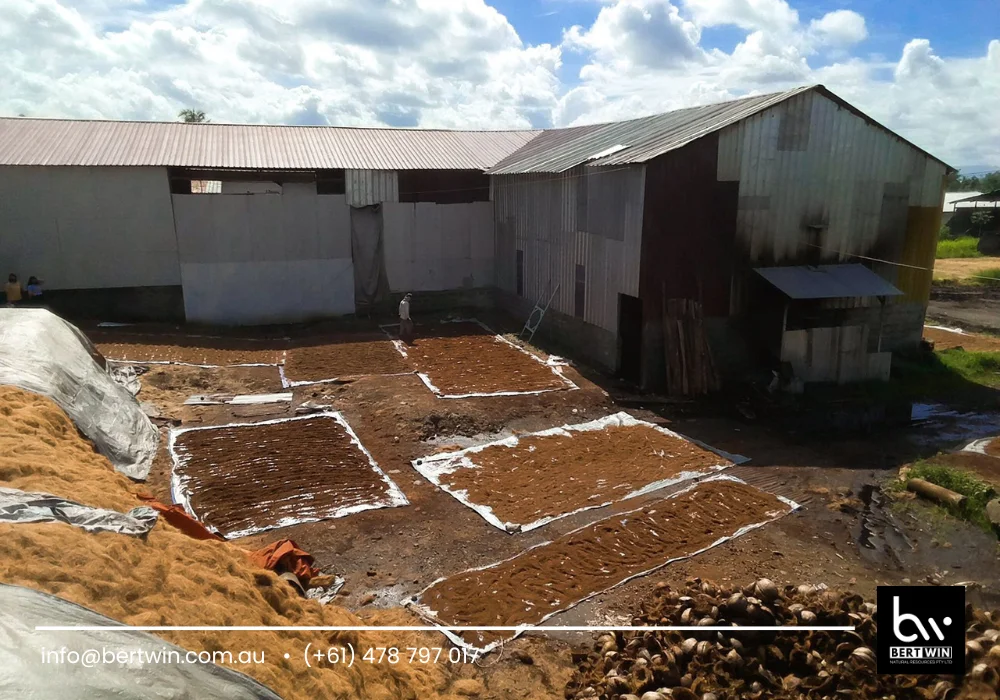
After washing, the material is dried to achieve stable moisture content. Drying may be done naturally under sunlight or through controlled systems depending on production scale and climate conditions.
Screening follows to remove oversized particles and impurities. Quality control measures, including laboratory testing for pH and electrical conductivity, help ensure the product meets international standards.
Packaging and Distribution
The final product is packaged either loose or compressed into blocks and briquettes. Compressed forms are particularly popular for export because they reduce volume and shipping costs. Once hydrated, these blocks expand significantly, making them convenient for end users.
Applications Across Multiple Sectors
The versatility of coco peat has expanded its use far beyond traditional farming.
Horticulture and Home Gardening
Home gardeners and nurseries use coco peat in potting mixes and seed-starting applications. Its ability to maintain consistent moisture levels supports healthy germination and plant growth.
Urban agriculture initiatives, including rooftop and vertical gardens, also favor coco peat due to its lightweight nature and clean handling.
Commercial Farming and Greenhouses
In commercial agriculture, coco peat manufacturers is widely used in greenhouse production systems. It allows precise control over irrigation and nutrients, contributing to consistent yields and improved crop quality.
Hydroponic and soilless farming systems rely on coco peat as a stable substrate that supports roots while enabling efficient fertigation practices.
Landscaping and Soil Conditioning
Beyond cultivation, coco peat is used to improve soil structure in landscaping projects. When mixed with existing soil, it enhances water retention, aeration, and microbial activity, making it particularly useful in sandy or degraded soils.
Market Trends and Industry Challenges
The global market for coco peat continues to grow, but it also faces challenges related to quality consistency and sustainability.
Quality Standards and Certification
Importing countries coco peat manufacturers often require strict compliance with agricultural standards. Producers must ensure low salinity, uniform texture, and traceable sourcing. Certification and transparent quality control systems help build trust with international buyers.
Meeting these standards is essential for maintaining long-term trade relationships and accessing premium markets.
Sustainability and Innovation
Many producers are investing in cleaner processing technologies and water recycling systems to reduce environmental impact. Innovation also focuses on developing value-added products such as buffered coco peat and crop-specific blends.
These advancements help the industry remain competitive while addressing environmental concerns.
The Future Outlook
coco peat manufacturers, As global agriculture continues to prioritize sustainability, coco peat manufacturers are expected to play an even more strategic role. Their ability to supply renewable, high-quality growing media supports food security, environmental protection, and economic development in coconut-producing regions.
With ongoing innovation and expanding markets, the coco peat industry is well positioned to meet future agricultural challenges while promoting responsible resource use.
For further information coco peat manufacturers, you may contact WhatsApp at (+61) 478797017 or via email at info@bertwin.com.au.