
coco peat making machine is increasingly recognized as a key technology supporting smart farming and controlled-environment agriculture worldwide. The background of this development lies in the rapid growth of modern farming systems, rising pressure on soil resources, and the need for consistent, eco-friendly growing media that can be produced efficiently from renewable agricultural by-products.
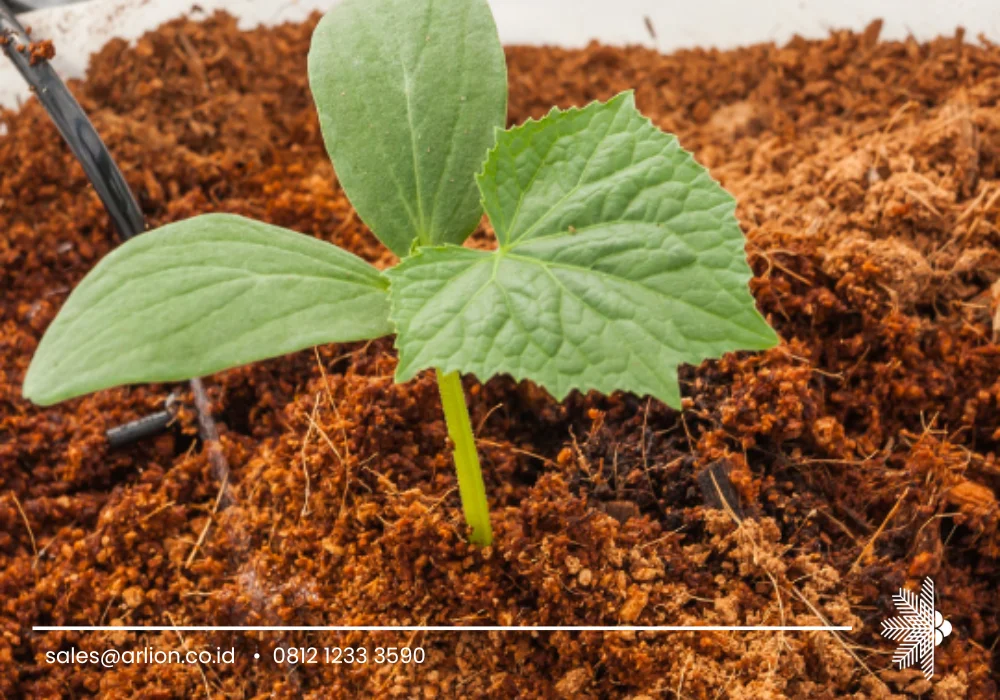
Background of Smart Farming and Growing Media Needs
Agriculture is undergoing a structural transformation driven by population growth, urbanization, and climate uncertainty. Traditional soil-based farming is facing challenges such as land degradation, water scarcity, and declining productivity. In response, farmers and agribusinesses are adopting smart farming approaches that rely on greenhouses, vertical farms, and precision irrigation systems, coco peat making machine.
These systems require growing media that are uniform, stable, and easy to manage. Coco peat has emerged as a preferred option because of its organic nature, high water-holding capacity, and suitability for automated irrigation. The rising use of coco peat has created demand for standardized processing methods, making advanced machinery an essential component of the supply chain.
Processing Technology in Modern Agriculture
To meet the technical requirements of smart farming, coco peat must be processed under controlled conditions. A coco peat making machine enables producers to convert raw coconut husks into clean, uniform material suitable for high-performance agricultural systems. The process typically includes shredding, screening, washing, drying, and compaction.
Mechanization ensures that each batch meets specific quality parameters required by commercial growers. Uniform particle size and stable moisture content are critical for precision farming, where irrigation and nutrient delivery are carefully controlled. Without consistent processing, crop performance can become unpredictable.
Supporting Precision Irrigation Systems
Precision irrigation depends on predictable water absorption and drainage characteristics. Coco peat processed through standardized machinery provides consistent performance across cultivation cycles. This consistency allows farmers to fine-tune irrigation schedules and nutrient formulas, reducing waste and improving crop efficiency.
As a result, growers using smart farming technologies increasingly rely on suppliers that employ mechanized processing rather than manual or semi-manual methods, coco peat making machine.
Role in Reducing Agricultural Risk
Climate variability has increased the risk of crop failure in open-field farming. Controlled-environment agriculture offers greater protection, but it depends heavily on reliable inputs. The coco peat making machine plays a supporting role by ensuring continuous availability of quality growing media regardless of seasonal fluctuations.
Processed coco peat can be stored, transported, and used over extended periods without significant quality degradation. This storage stability helps farmers plan production cycles more effectively and reduces dependence on local soil conditions.
Enhancing Crop Uniformity
Uniform growing media contributes directly to uniform plant growth. In commercial horticulture, consistency is essential for meeting market standards and reducing losses. Mechanized processing minimizes variability in coco peat texture and composition, helping growers achieve more predictable results across large planting areas.
Economic Value for Agribusiness Operators
From an economic perspective, mechanized processing adds value at multiple stages of the agricultural supply chain. Coconut-producing regions can transform raw agricultural residues into export-ready products, while growers benefit from reliable inputs that improve productivity.
The coco peat making machine allows producers to scale operations efficiently. High-capacity systems support bulk production for international markets, while smaller modular units enable local processing for domestic smart farming projects. This flexibility encourages broader participation in the coco peat industry.
Cost Efficiency and Resource Optimization
Although initial investment in machinery can be significant, long-term cost efficiency is a key advantage. Automated systems reduce labor requirements and processing time while maximizing material utilization. Over time, these efficiencies help stabilize production costs and improve profitability, coco peat making machine.
In addition, optimized processing reduces waste and supports more sustainable use of coconut resources, aligning economic goals with environmental responsibility.
Environmental Benefits in Modern Farming Systems
Sustainability is a major driver behind the adoption of coco peat making machine. Unlike peat moss, which is extracted from sensitive ecosystems, coco peat is derived from renewable agricultural by-products. Mechanized processing strengthens this environmental advantage by improving efficiency and reducing unnecessary resource use.
Many modern machines are designed with energy-saving features and water management systems. By recycling wash water and minimizing energy loss, processing facilities can lower their environmental footprint while maintaining high output.
Supporting Circular Economy Principles
The use of coconut husks for growing media exemplifies circular economy practices. Agricultural waste is transformed into a valuable input that supports food production. The coco peat making machine is a practical tool that enables this transformation at scale, linking agriculture, industry, and sustainability goals.
Quality Assurance and Market Standards
As smart farming expands globally, quality standards for growing media are becoming more stringent. Buyers expect consistent performance, low salinity levels, and reliable packaging formats. Mechanized processing allows producers to monitor and control these parameters more precisely.
Quality assurance systems are easier to implement when production is standardized. This supports certification, traceability, and long-term partnerships with commercial growers and distributors.
Adapting to Diverse Market Requirements
Different markets require different product formats, such as loose coco peat, grow slabs, or compressed blocks. Modern machinery can be adjusted to meet these requirements without major structural changes. This adaptability helps producers respond quickly to market trends and customer demands.
Challenges and Operational Considerations
Despite its advantages, mechanized processing requires proper management. Equipment maintenance, operator training, and quality monitoring are essential to ensure consistent performance. Producers must also plan for raw material supply, as coconut availability can vary by season.
However, these challenges are generally manageable with proper planning and technical support. Many equipment suppliers offer training and after-sales services to help operators achieve optimal results.
Importance of Skilled Operation
Efficient use of machinery depends on skilled operators who understand both technical and agricultural requirements. Training programs help ensure that machines are used correctly and maintained properly, extending their service life and maximizing return on investment.
Future Outlook
The integration of technology into agriculture is expected to accelerate as food systems adapt to global challenges. Smart farming, urban agriculture, and climate-resilient production methods will continue to rely on reliable growing media.
The coco peat making machine is likely to remain a core technology in this transition. Ongoing innovation will focus on energy efficiency, automation, and adaptability, making processing systems more accessible to a wider range of producers.
Conclusion
As agriculture moves toward smarter and more controlled production systems, the importance of standardized inputs continues to grow. By enabling efficient, consistent, and sustainable processing of coconut by-products, the coco peat making machine supports modern farming practices around the world. Its role extends beyond manufacturing, contributing to food security, environmental sustainability, and economic development within the global agricultural ecosystem.
For further information coco peat making machine, you may contact WhatsApp at (+61) 478797017 or via email at info@bertwin.com.au.