
coco peat make is increasingly discussed in agricultural and environmental circles as farmers, growers, and industry players search for sustainable alternatives to conventional planting media. Coco peat, derived from coconut husk by-products, has gained global attention because it transforms agricultural waste into a valuable resource. This background highlights how coco peat production aligns with eco-friendly practices, supports circular economy principles, and answers the growing demand for organic and renewable materials in modern cultivation systems.
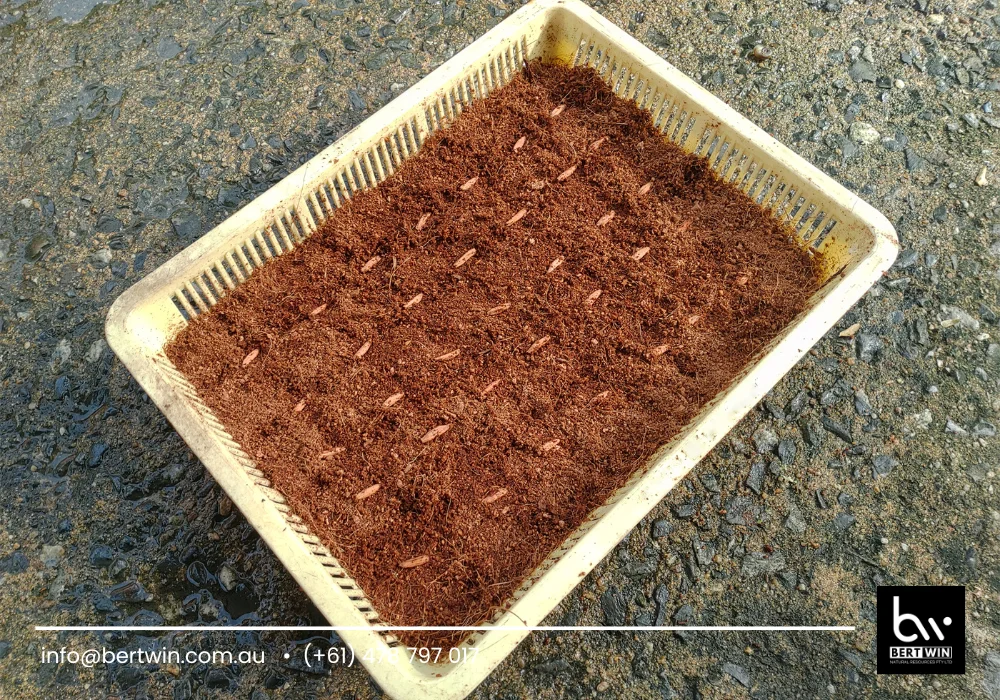
Understanding Coco Peat and Its Growing Importance
Coco peat make, often referred to as coir pith, is the fine, sponge-like material extracted from coconut husks after fiber removal. For decades, coconut husks were treated as low-value waste, frequently discarded or burned. However, changing environmental awareness and advancements in processing technology have repositioned coco peat as a strategic commodity in agriculture and horticulture.
The importance of coco peat lies in its physical and chemical properties. It has high water-holding capacity, good aeration, and a neutral pH, making it suitable for a wide range of plants. These advantages have encouraged many producers to learn coco peat make processes to meet domestic and international market demand.
Environmental and Economic Context
Global agriculture faces increasing pressure to reduce environmental impact while maintaining productivity. The extraction of peat moss from wetlands has raised serious ecological concerns, pushing regulators and consumers to seek alternatives. Coco peat offers a renewable solution because coconut trees continuously produce fruit throughout the year.
Economically, coco peat make creates added value for coconut-producing regions. Smallholder farmers, cooperatives, and processing industries benefit from additional income streams, job creation, and export opportunities. This dual environmental and economic benefit explains the rapid expansion of coco peat industries worldwide.
Why Coco Peat Is Preferred by Growers
Growers appreciate coco peat because it improves root development and reduces the risk of soil-borne diseases. It is lightweight, easy to transport, and adaptable to different cultivation systems. When blended with compost, perlite, or nutrients, it becomes a versatile growing medium suitable for vegetables, ornamentals, and fruit crops.
In controlled environments such as greenhouses and hydroponic farms, coco peat provides consistency and predictability, which are critical for high-value crop production.
Coco Peat Make Process Explained
Understanding coco peat make methods helps ensure consistent quality and sustainable output. Although equipment and scale may vary, the core stages of production follow a similar structure across regions.
Raw Material Selection and Preparation
The process begins with selecting mature coconut husks, usually sourced from coconut processing facilities. These husks are soaked in water to soften the material and loosen the fibers. Soaking also helps initiate the breakdown of lignin and prepares the husks for mechanical processing.
After soaking, husks are crushed or milled to separate long fibers from the pith. The fibers are typically used for ropes, mats, and brushes, while the remaining pith becomes the base material for coco peat.
Washing and Salinity Control
Freshly separated pith often contains high salt levels, especially in coastal areas. Washing is therefore a critical step to ensure suitability for plant growth. Clean water is used multiple times to reduce electrical conductivity to acceptable agricultural standards.
This washing stage directly affects product quality and market acceptance. Buyers often request laboratory analysis to verify that salinity levels meet their crop requirements.
Drying, Screening, and Packaging
Once washed, the pith is dried under sunlight or in controlled drying systems to achieve stable moisture content. Proper drying prevents microbial growth and extends shelf life.
The dried material is then screened to remove oversized particles and impurities. Depending on market demand, the final product may be packed loose or compressed into blocks and briquettes for easier transportation and storage.
Applications in Agriculture and Beyond
The versatility of coco peat has led to its adoption across multiple sectors. From home gardening to commercial farming, its applications continue to expand.
Use in Horticulture and Home Gardening
Home gardeners use coco peat for seed starting, potting mixes, and soil improvement. Its ability to retain moisture while maintaining airflow supports healthy root systems and reduces watering frequency.
Urban gardening projects also favor coco peat due to its cleanliness and ease of handling, especially in rooftop and balcony gardens where weight and drainage are critical factors.
Commercial Farming and Hydroponic Systems
In commercial agriculture, coco peat is widely used in greenhouses and hydroponic setups. It provides uniform structure, allowing precise control over irrigation and nutrient delivery.
Hydroponic growers value coco peat for its compatibility with fertigation systems and its stability over multiple crop cycles. This reliability contributes to higher yields and consistent crop quality.
Market Trends and Future Outlook
Interest in coco peat make techniques continues to grow as sustainability becomes a central theme in global trade. Many importing countries now encourage renewable growing media, opening new opportunities for exporters.
International Demand and Quality Standards
Major markets such as Australia, Europe, and the Middle East demand high-quality coco peat with controlled moisture and low salinity. Producers who invest in quality control, certification, and traceability gain a competitive advantage.
Meeting international standards not only ensures crop safety but also strengthens long-term business relationships and brand reputation.
Innovation and Industry Development
Ongoing research focuses on improving processing efficiency and developing blended products tailored to specific crops. Innovations such as buffered coco peat and pre-mixed growing media reflect the industry’s move toward value-added solutions.
coco peat make, As environmental regulations tighten and sustainable farming practices expand, coco peat is expected to remain a key component of future agricultural systems.
Conclusion
Coco peat make practices demonstrate how agricultural waste can be transformed into an environmentally responsible and economically valuable product. From raw coconut husks to refined growing media, each stage contributes to sustainability, resource efficiency, and improved cultivation outcomes. With rising global demand and continuous innovation, coco peat stands as a practical example of how green solutions can support modern agriculture.
For further information coco peat make, you may contact WhatsApp at (+61) 478797017 or via email at info@bertwin.com.au.