
coco peat lowes has become a frequently discussed topic as gardeners, landscapers, and commercial growers increasingly look for sustainable growing media available through well-known retail channels. The background of this trend is closely related to rising environmental awareness, changes in consumer gardening habits, and the search for soil alternatives that support healthier plant growth while reducing ecological impact.
The Background of Coco Peat in Modern Gardening
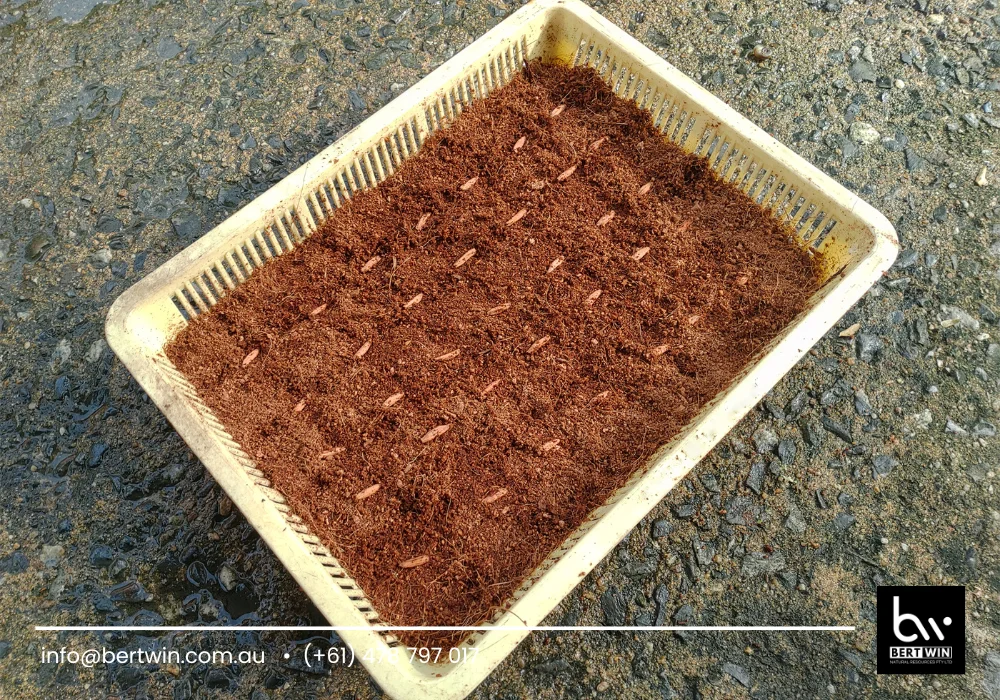
Coco peat, derived from processed coconut husks, has transitioned from agricultural waste into a valuable resource for plant cultivation. Historically, coconut husks were discarded or burned, creating environmental challenges in coconut-producing regions. Over time, innovation in processing methods transformed these husks into a lightweight, absorbent, and reusable growing medium.
The popularity of coco peat lowes grew alongside urban gardening movements and sustainable agriculture initiatives. Consumers now seek products that are renewable, biodegradable, and effective in improving soil structure. Large retailers have played an important role in introducing these materials to mainstream markets, making them accessible to hobbyists and professionals alike.
Understanding Coco Peat as a Growing Medium
Composition and Physical Properties
coco peat lowes consists of fine particles obtained during the extraction of coconut fiber. It is known for its high water-holding capacity, good aeration, and balanced structure that supports root development. Unlike traditional soil, coco peat resists compaction, allowing roots to access oxygen more easily.
These physical properties make it suitable for a wide range of applications, including seed starting, potting mixes, and hydroponic systems. Its neutral to slightly acidic pH further enhances its compatibility with many plant species.
Environmental Advantages
One of the main reasons for increased interest in coco peat lowes is its environmental profile. As a renewable resource, it offers an alternative to peat moss, which is harvested from slow-regenerating peatlands. Using coconut-based media helps reduce pressure on sensitive ecosystems while supporting waste utilization in agricultural regions.
Coco peat is also biodegradable and can be reused or composted after use, aligning with circular economy principles.
Retail Influence on Consumer Awareness
Accessibility Through Large Retailers
coco peat lowes, Major home improvement and garden retailers have significantly influenced how consumers discover and adopt new gardening products. When sustainable growing media are introduced through trusted retail platforms, consumers gain confidence in trying alternatives to traditional soil.
Product availability in physical stores and online platforms allows customers to compare features, read usage instructions, and select products that match their gardening needs. This accessibility has helped coco peat gain recognition beyond professional horticulture.
Education and Product Information
Retailers often provide educational materials, packaging information, and online resources that explain how to use coco peat effectively. These materials help first-time users understand proper hydration, mixing ratios, and plant compatibility.
Clear guidance reduces the learning curve and encourages responsible usage, ensuring better results for home gardeners and small-scale growers.
Applications in Home and Commercial Settings
Home Gardening and Landscaping
In home gardens, coco peat is commonly used in potting mixes for indoor plants, vegetables, and ornamental species. Its lightweight nature makes it ideal for balconies, rooftops, and indoor containers where weight and drainage are critical factors.
Landscapers also value coco peat for improving soil structure in planting beds, helping retain moisture while preventing waterlogging.
Professional and Commercial Use
Commercial growers use coco peat in nurseries, greenhouses, and hydroponic operations. Its consistency and predictable performance allow precise control over irrigation and nutrient delivery. When properly processed and buffered, coco peat supports high-yield crop production with reduced soil-borne disease risks.
Quality Considerations for Buyers
Processing and Treatment
The quality of coco peat depends heavily on processing methods. Proper washing removes excess salts, while buffering stabilizes calcium and magnesium levels. Buyers should look for products that meet international quality standards to ensure optimal plant performance.
Consistency in particle size and moisture content is also important, especially for professional applications where uniformity affects crop outcomes.
Packaging and Storage
Coco peat is often sold in compressed blocks or loose bags. Compressed forms reduce transportation costs and storage space, while loose forms offer convenience for immediate use. Proper packaging protects the material from contamination and excessive moisture during storage.
Market Trends and Consumer Preferences
Shift Toward Sustainable Products
Consumer preferences increasingly favor products that align with sustainability values. Gardening is no longer viewed solely as a hobby but also as a way to contribute to environmental responsibility. This shift supports continued interest in renewable growing media.
Retail demand reflects this trend, coco peat lowes encouraging suppliers to maintain transparency regarding sourcing, processing, and environmental impact.
Innovation and Product Diversification
Manufacturers continue to innovate by blending coco peat lowes with other organic materials, creating specialized mixes for specific plants or growing systems. These innovations expand application possibilities and attract a broader customer base.
The Global Supply Chain Perspective
Origin and Sourcing
Coco peat lowes production is concentrated in tropical regions where coconuts are widely cultivated. Countries in Southeast Asia and South Asia play a major role in supplying global markets. Responsible sourcing practices ensure stable supply while supporting local agricultural communities.
Logistics and Distribution
Efficient logistics are essential for maintaining product quality from origin to retail shelves. Proper drying, compression, and packaging help preserve coco peat during long-distance transport, ensuring it reaches consumers in optimal condition.
Future Outlook
Growing Demand in Retail Markets
As gardening trends continue to evolve, demand for sustainable and user-friendly growing media is expected to increase. Retail platforms will likely expand their offerings, providing consumers with more choices and improved product information.
Focus on Transparency and Sustainability
Future market growth will depend on transparent supply chains and verified sustainability claims. Consumers are becoming more informed and expect clear documentation regarding environmental benefits and responsible production practices.
Conclusion
The increasing attention around coco peat lowes reflects a broader movement toward sustainable gardening solutions supported by accessible retail channels. By understanding its background, benefits, and applications, consumers and professionals can make informed choices that support both plant health and environmental responsibility.
For further information coco peat lowes, you may contact WhatsApp at (+61) 478797017 or via email at info@bertwin.com.au.