
coco peat low ec blocks are increasingly highlighted in international agriculture and horticulture news as growers demand more precise, reliable, and sustainable growing media. In this opening paragraph, the background focuses on the global shift toward controlled cultivation systems, where salinity management, environmental sustainability, and consistent crop performance have become critical issues for nurseries, greenhouses, and hydroponic farms.
Rising Demand for Low EC Growing Media
The modern agricultural sector is facing complex challenges, ranging from climate change to soil degradation and water quality issues. In response, many growers are moving away from traditional soil-based systems toward soilless cultivation methods that offer better control over nutrients and moisture. This transition has intensified the need for growing media with predictable and stable properties.
Coconut-based growing media have emerged as a preferred solution in many regions. Among them, coco peat low ec blocks are often discussed because they address one of the most common problems in plant cultivation: excessive salinity. Low electrical conductivity is essential to ensure that plants can absorb nutrients efficiently without stress, particularly during early growth stages.
Background of Coco Peat Processing
Coco peat is derived from the fine particles of coconut husk after fiber extraction. While raw coco peat contains natural salts, advancements in processing technology have made it possible to reduce these levels significantly. Through repeated washing, buffering, and quality control, producers are able to supply low EC products that meet strict agricultural standards.
This evolution reflects broader industry efforts to transform agricultural waste into high-value, sustainable inputs. Coconut husk, once considered a disposal problem, is now a key resource in the global horticulture supply chain.
Importance of Low EC in Plant Growth
Electrical conductivity is a key indicator of soluble salt content in growing media. High EC levels can disrupt water uptake, damage roots, and inhibit nutrient absorption. For sensitive crops, such as vegetables, ornamentals, and seedlings, maintaining low EC conditions is critical.
The growing popularity of coco peat low ec blocks is closely linked to this need for precision. By starting with a low-salinity medium, growers gain greater control over fertilization and irrigation strategies, reducing the risk of crop stress and yield loss.
Industry Adoption and Market Trends
The adoption of coconut-based growing media has accelerated alongside the expansion of greenhouse farming, vertical agriculture, and hydroponic systems. These cultivation methods rely on uniform and predictable substrates that support consistent plant performance across large production areas.
Coco peat low ec blocks are widely used due to their compressed form, which simplifies storage and transportation. Once hydrated, the blocks expand into a loose and airy medium suitable for a wide range of crops. Market analysts note that demand for these products continues to grow, particularly in regions focused on high-value horticultural exports.
Applications Across Cultivation Systems
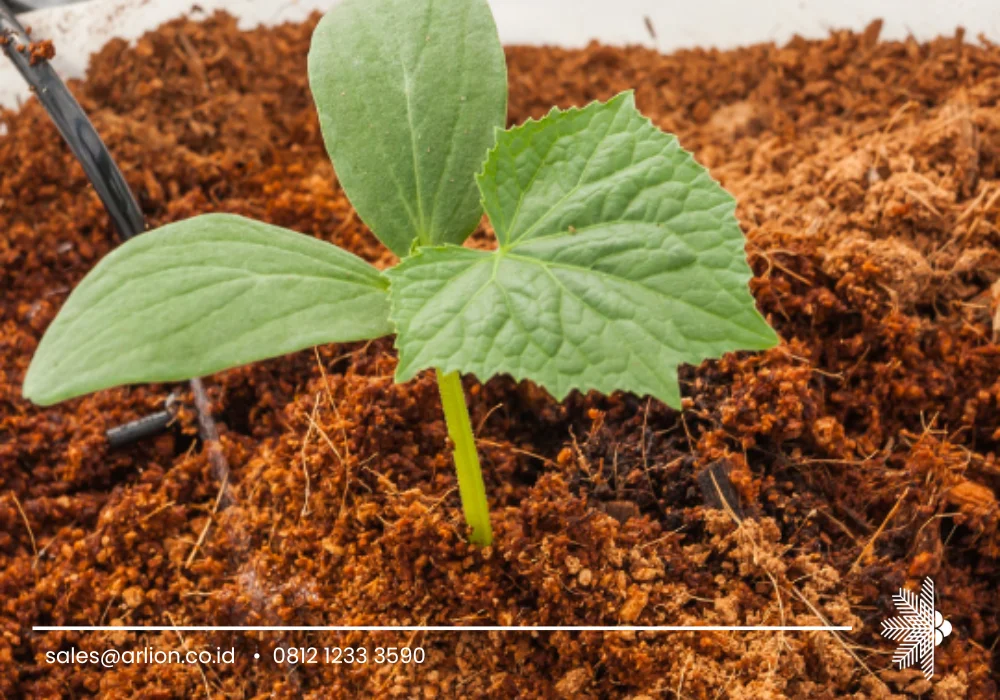
In nursery operations, low EC coco peat is commonly used for seed germination and young plant production. Its clean and stable structure supports healthy root development while minimizing the risk of salt-related stress.
Greenhouse and hydroponic growers also favor this type of growing media because it integrates well with fertigation systems. By starting with a neutral base, growers can tailor nutrient solutions according to crop requirements, improving efficiency and consistency.
Economic and Environmental Impact
The expansion of coconut-based growing media industries has significant economic implications for coconut-producing countries. Processing coco peat into export-ready products creates jobs, supports rural economies, and adds value to agricultural byproducts.
Environmentally, the use of coco peat reduces reliance on peat moss, whose extraction is associated with habitat destruction and carbon emissions. This environmental advantage is frequently highlighted in sustainability-focused agricultural reporting.
Quality Control and Production Challenges
Despite growing demand, maintaining consistent quality remains a challenge. Producing low EC coco peat requires careful control of washing processes, water quality, and drying methods. Any variation can affect the final product’s performance.
Producers supplying coco peat low ec blocks invest heavily in laboratory testing and certification to meet international standards. These measures are essential to build trust with professional growers who depend on reliable inputs for their operations.
Standards and Certification
International buyers increasingly require certification that verifies EC levels, pH balance, and cleanliness. Compliance with these standards helps ensure that products are suitable for sensitive crops and modern cultivation systems.
Certification also enhances transparency within the supply chain, allowing buyers to trace product quality back to processing practices. This trend is shaping how coconut-based growing media are produced and marketed globally.
Innovation in Processing Technology
Continuous innovation plays a key role in improving product performance. Advances in washing techniques, buffering agents, and moisture control have enabled producers to achieve more consistent low EC levels.
Packaging innovations, including highly compressed blocks and eco-friendly wrapping, further improve logistics efficiency. These developments support the global distribution of coconut-based growing media while reducing transportation costs and environmental impact.
Future Outlook for Coco Peat Products
As agriculture continues to embrace precision and sustainability, demand for high-quality growing media is expected to rise. Growers are increasingly selective, prioritizing products that offer reliability, environmental benefits, and compatibility with advanced cultivation systems.
In this context, coco peat low ec blocks are positioned as a strategic input for the future of horticulture. Their ability to support controlled nutrient management aligns well with the needs of modern farming.
The broader narrative emerging from industry news is clear: sustainable innovation is reshaping agricultural inputs. Coconut-based growing media exemplify how traditional resources can be reimagined to meet contemporary challenges, supporting both productivity and environmental responsibility.
For further information, you can contact WhatsApp (+62) 812-1233-3590 or via email sales@arlion.co.id.