coco peat grow bags are increasingly becoming a central topic in discussions about modern and sustainable agriculture, especially as farmers and growers seek reliable growing media that balance productivity with environmental responsibility. In recent years, global attention has shifted toward eco-friendly cultivation systems due to climate change, soil degradation, and the need to optimize food production on limited land. Against this backdrop, coco peat–based solutions have emerged as a practical and scalable alternative for both commercial and small-scale farming.
Background of Coco Peat in Modern Agriculture
Agricultural practices worldwide are undergoing significant transformation. Traditional soil-based farming faces challenges such as declining soil fertility, pest accumulation, and inconsistent yields. At the same time, population growth and urbanization demand more efficient food production systems. This situation has encouraged growers to adopt soilless cultivation methods that offer better control over nutrients, water, and plant health.
Within this context, coco peat grow bags have gained recognition as a sustainable growing medium made from coconut husk by-products. Coco peat is renewable, biodegradable, and widely available in tropical regions, making it an environmentally sound choice. Media reports and agricultural studies frequently highlight how this material supports plant growth while reducing dependence on chemical soil treatments.
Understanding Coco Peat as a Growing Medium
Composition and Characteristics
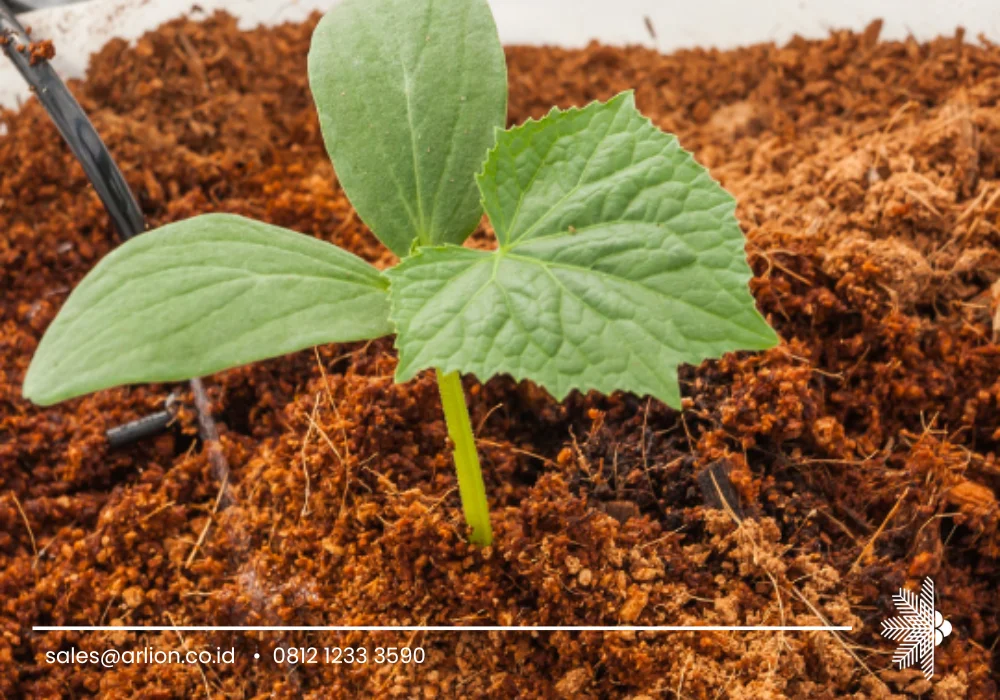
Coco peat is derived from the fibrous husk of coconuts, processed into a fine, spongy material with excellent water retention capacity. It can hold moisture while still allowing sufficient air circulation around plant roots. This balance is crucial for preventing root diseases and promoting healthy development.
Growers who use coco peat grow bags benefit from consistent structure and quality, which helps ensure uniform plant growth. Unlike natural soil, coco peat is free from weeds and many soil-borne pathogens, reducing the risk of crop failure.
Environmental Advantages
One of the main reasons coco peat is favored is its environmental profile. As a by-product of the coconut industry, its use adds value to agricultural waste and supports circular economy principles. Moreover, coco peat decomposes naturally over time and can be reused or recycled after cultivation cycles.
Experts note that adopting coco peat-based systems can significantly reduce the environmental footprint of farming operations, particularly in greenhouse and hydroponic setups.
Applications Across Agricultural Sectors
Greenhouse and Hydroponic Farming
Greenhouse farming relies heavily on controlled growing conditions. In these systems, precision and consistency are essential. coco peat grow bags are widely used because they provide a stable medium that can be easily integrated with drip irrigation and fertigation systems.
Hydroponic farmers, in particular, appreciate the lightweight nature of coco peat, which simplifies handling and installation. Reports from commercial growers indicate improved yield consistency and easier crop management when compared to traditional substrates.
Horticulture and Home Gardening
Beyond large-scale agriculture, coco peat is also popular among home gardeners and horticulture enthusiasts. Urban gardening trends have increased demand for clean, manageable growing media suitable for balconies, rooftops, and small plots.
By choosing coco peat grow bags, hobbyists can enjoy better control over watering and nutrients, leading to healthier plants and more predictable harvests. This trend reflects a broader movement toward self-sufficiency and sustainable lifestyles.
Economic and Practical Benefits
Cost Efficiency Over Time
Although the initial cost of coco peat products may be higher than some conventional alternatives, long-term benefits often outweigh the investment. Coco peat’s durability allows it to be used across multiple planting cycles, reducing replacement costs.
Farmers also report savings in water usage due to coco peat’s high moisture retention. These efficiencies contribute to lower operational expenses and improved profitability over time.
Ease of Handling and Transport
Another advantage frequently cited in industry reports is the ease of handling. Coco peat products are lightweight and compact, making transportation and storage more efficient. For large agricultural operations, this translates into logistical savings and improved workflow.
Challenges and Industry Outlook
Despite its advantages, the coco peat industry faces challenges such as quality standardization and supply chain consistency. Variations in processing methods can affect performance, which is why buyers are encouraged to source from reputable suppliers.
Looking ahead, analysts predict continued growth in demand for coco peat grow bags as sustainable farming practices gain momentum worldwide. Governments and agricultural organizations are increasingly promoting eco-friendly inputs, further supporting market expansion.
Role in Sustainable Food Systems
As climate resilience becomes a priority, coco peat grow bags is expected to play a larger role in sustainable food systems. Its ability to support high yields with lower environmental impact aligns with global goals for responsible production and resource efficiency.
Research institutions continue to explore ways to enhance coco peat grow bags formulations, combining them with organic nutrients and beneficial microbes to further improve plant performance.
Conclusion
The growing popularity of coco peat reflects a broader shift in agriculture toward sustainability, efficiency, and innovation. By addressing common challenges in traditional farming, coco peat-based solutions offer a viable path forward for producers at all scales. With continued research, improved standards, and increasing awareness, coco peat grow bags are set to remain an important component of modern cultivation systems.
For further information, you may contact WhatsApp at (+61) 478797017 or via email at info@bertwin.com.au.