
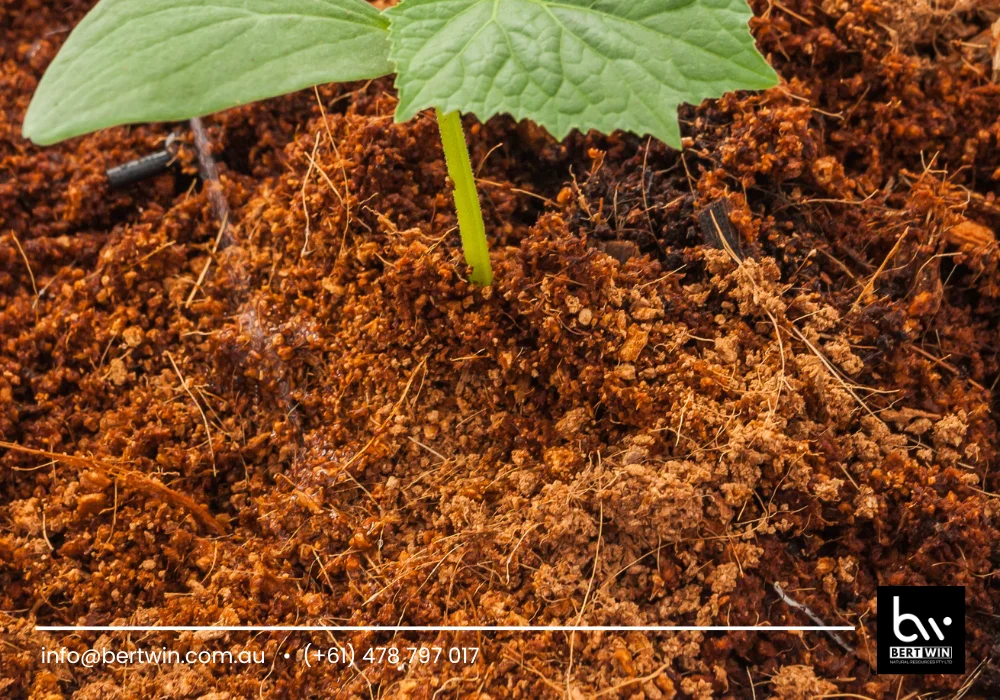
coco peat for vegetables has become an increasingly popular growing medium as farmers and home gardeners search for more sustainable, efficient, and productive cultivation methods. The rising demand for fresh vegetables, combined with challenges such as declining soil quality, limited land availability, and climate variability, has encouraged the adoption of alternative planting media. Coco peat, derived from coconut husk fibers, is now widely recognized as a practical solution that supports healthy vegetable growth while aligning with environmentally responsible practices.
Background of Coco Peat Use in Vegetable Cultivation
Vegetable production depends heavily on soil structure, water management, and nutrient availability. Traditional soil-based farming often faces issues such as compaction, poor drainage, and the presence of pests or diseases. These challenges can reduce yields and increase production costs.
Shift Toward Soilless and Sustainable Media
In recent years, soilless growing systems have gained traction across the agricultural sector. Growers are turning to substrates that offer consistency and control over growing conditions. Coco peat has emerged as one of the most trusted options due to its renewable origin and favorable physical properties.
Global Trends in Vegetable Farming
Urban farming, greenhouse production, and hydroponic systems are expanding rapidly around the world. These systems require lightweight, clean, and efficient media that can perform well in controlled environments. Coco peat meets these requirements and has become a standard component in many vegetable-growing operations.
What Is Coco Peat?
Coco peat is a fine, spongy material obtained from the pith of coconut husks. After processing, washing, and drying, it is packaged in various forms such as blocks, bricks, or loose substrate. When hydrated, it expands significantly and becomes ready for planting.
Physical and Chemical Characteristics
Coco peat is known for its high water-holding capacity and excellent aeration. It also has a near-neutral pH, making it suitable for a wide range of vegetable crops. Properly processed coco peat has low salt content, which is essential for sensitive plants.
Forms Commonly Used for Vegetables
For vegetable cultivation, coco peat is often used alone or mixed with other materials such as perlite or compost. This flexibility allows growers to customize the medium based on crop type, climate, and production system.
Advantages of Coco Peat in Vegetable Production
The use of coco peat for vegetables provides several agronomic benefits that contribute to healthier plants and improved yields.
Superior Water Management
One of the most notable advantages of coco peat is its ability to retain moisture while still allowing excess water to drain. This balance helps prevent both drought stress and waterlogging, two common problems in vegetable farming.
Improved Root Development
The porous structure of coco peat for vegetables promotes strong root growth by ensuring sufficient oxygen around the root zone. Healthy roots enhance nutrient uptake and support vigorous plant development from early stages through harvest.
Reduced Risk of Soil-Borne Diseases
Compared to conventional soil, coco peat for vegetables is relatively free from harmful pathogens when properly processed. This cleaner growing environment lowers the incidence of diseases that can damage vegetable crops and reduce productivity.
Applications Across Different Vegetable Types
Coco peat is suitable for a wide variety of vegetables, making it a versatile choice for growers.
Leafy Greens and Herbs
Vegetables such as lettuce, spinach, and kale benefit from the consistent moisture and aeration provided by coco peat for vegetables. Fast growth cycles and uniform development are easier to achieve with controlled substrates.
Fruiting Vegetables
coco peat for vegetables, Tomatoes, peppers, cucumbers, and eggplants require stable root conditions and efficient nutrient delivery. Coco peat supports these needs, especially in greenhouse and container-based systems.
Root and Bulb Crops
While often associated with leafy or fruiting plants, coco peat can also be adapted for crops like onions and radishes when combined with other media to improve structure and nutrient content.
Environmental and Economic Benefits
Beyond plant performance, the use of coco peat for vegetables aligns with broader sustainability and efficiency goals.
Utilization of Agricultural Byproducts
coco peat for vegetables is produced from coconut husk waste, turning an abundant byproduct into a valuable agricultural resource. This practice reduces environmental waste and supports circular economy principles.
Long-Term Cost Effectiveness
Although initial investment may be higher than using native soil, coco peat can be reused across multiple growing cycles with proper management. Consistent yields and reduced crop loss contribute to better long-term returns.
Supporting Sustainable Agriculture Initiatives
As governments and consumers increasingly prioritize environmentally friendly farming, the use of renewable substrates like coco peat helps growers meet sustainability standards and market expectations.
Best Practices for Using Coco Peat in Vegetables
To maximize results, growers should follow recommended practices when working with coco peat.
Proper Hydration and Preparation
Before planting, coco peat should be fully hydrated and allowed to expand evenly. Excess salts, if present, should be flushed out to ensure a safe growing environment for young plants.
Nutrient Management
Coco peat itself contains minimal nutrients, so vegetables grown in this medium require regular fertilization. Balanced nutrient solutions tailored to specific crops help maintain optimal growth.
Monitoring and Maintenance
Regular monitoring of moisture levels, pH, and nutrient availability is essential. Adjustments should be made based on plant response and environmental conditions to maintain consistent performance.
Future Outlook for Coco Peat in Vegetable Farming
As vegetable production continues to evolve, the demand for reliable and sustainable growing media is expected to rise. Innovations in processing and blending coco peat with other materials will further enhance its performance and adaptability.
Growers who invest in modern substrates can benefit from improved efficiency, better crop quality, and stronger environmental credentials. With its proven advantages and growing acceptance worldwide, coco peat for vegetables is positioned to remain a key component in the future of vegetable cultivation.
For further information coco peat for vegetables, you may contact WhatsApp at (+61) 478797017 or via email at info@bertwin.com.au.