
Coco peat for vegetables is becoming an important topic in modern agriculture. As farmers and growers face declining soil quality, water shortages, and climate uncertainty, the need for reliable growing media has never been greater.
Why Coco Peat for Vegetables Is Gaining Attention
Simply put, coco peat for vegetables refers to a growing medium made from processed coconut husk fibres, used to support root health, moisture retention, and consistent crop performance. Its increasing use reflects a broader shift toward sustainable and controlled cultivation practices.
Across many regions, traditional soil alone is no longer enough. When soil structure breaks down and water becomes harder to manage, productivity suffers. This pressure is pushing growers to explore alternative substrates that offer stability and efficiency. Coco peat has emerged as one of the most discussed options in this transition.
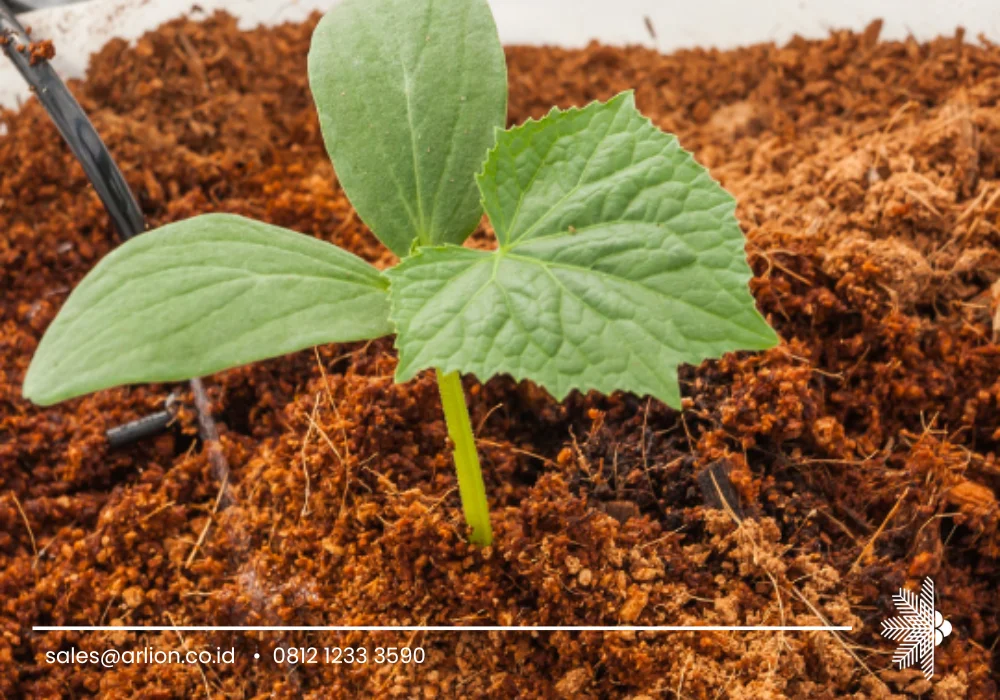
Background of Soil and Resource Challenges
Vegetable cultivation depends heavily on soil structure, water balance, and nutrient availability. However, long-term intensive farming has contributed to soil compaction, erosion, and nutrient depletion in many agricultural regions.
These conditions reduce root efficiency and make crop performance unpredictable. Research and agricultural reports consistently highlight that poor soil health directly affects vegetable yield and quality.
In response, growers are exploring alternative inputs that can reduce dependence on degraded land. Coco peat for vegetables is frequently mentioned in this context as a medium that can help overcome soil limitations while supporting modern production systems.
Characteristics That Support Vegetable Growth
Coco peat for vegetables is valued for a combination of physical properties that directly support plant growth and management efficiency.
1. Water Retention and Moisture Control
Coco peat can absorb and hold significant amounts of water. This helps maintain consistent moisture levels around plant roots, especially in dry or hot conditions.
2. Aeration and Root Zone Balance
The porous structure of coco peat allows air to circulate freely in the root zone. This supports root respiration and reduces the risk of compaction and root stress.
3. Uniform Structure and Stability
Unlike natural soil, coco peat offers uniform texture and performance. This stability supports predictable cultivation practices and consistent crop development.
Applications in Different Growing Environments
One of the major strengths of coco peat for vegetables is its adaptability across different cultivation systems.
1. Greenhouse and Controlled Environment Farming
In greenhouse systems, coco peat supports precise control over water and nutrients. Its cleanliness and uniformity help maintain hygienic production conditions.
2. Container and Raised Bed Cultivation
Coco peat performs well in containers and raised beds, where traditional soil may drain poorly or compact easily. Its lightweight nature also improves handling efficiency.
3. Vertical and Intensive Farming Systems
In intensive and vertical farming setups, coco peat provides reliable root support while reducing structural load, making it suitable for high-density production.
Water Management Benefits of Coco Peat for Vegetables
Efficient water use is a central concern in modern agriculture. Coco peat for vegetables offers several advantages related to water management.
1. Reduced Irrigation Frequency
By retaining moisture effectively, coco peat reduces how often crops need to be watered, helping conserve water resources.
2. Stable Moisture Supply for Vegetables
Coco peat releases water gradually, supporting steady hydration and reducing stress caused by sudden drying.
3. Improved Water Use Efficiency
Better moisture retention means less water is lost through runoff or deep drainage, improving overall irrigation efficiency.
Supporting Climate-Resilient Vegetable Production
Climate variability has introduced greater uncertainty into vegetable farming. Heatwaves, droughts, and irregular rainfall patterns increase the risk of crop stress.
Coco peat for vegetables is often included in climate-resilient strategies because it buffers moisture extremes. This buffering effect helps plants cope with short-term environmental stress and supports more stable growth.
Economic and Production Considerations
From an economic perspective, growers assess inputs based on reliability and long-term value. While alternative growing media involve initial investment, consistent crop performance can reduce losses and improve planning accuracy.
Coco peat for vegetables is frequently discussed as a risk-management tool. By providing predictable growing conditions, it helps reduce uncertainties associated with poor soil performance.
Coco Peat for Vegetables Compared to Traditional Soil
Compared to traditional soil, coco peat for vegetables offers greater consistency and control.
1. Consistency and Predictable Performance
Natural soil varies widely in structure and quality, while coco peat provides uniform growing conditions across different locations.
2. Sustainability Compared to Peat Moss
Coco peat is produced from renewable agricultural by-products, making it more aligned with sustainability goals than peat moss.
3. Adaptability Across Growing Systems
Coco peat can be integrated into various cultivation methods, from open-field supplementation to fully controlled systems.
The Role of Coco Peat for Vegetables in Sustainable Farming
Vegetable farming is undergoing significant change as growers respond to soil degradation, water scarcity, and climate uncertainty. These challenges require inputs that support both productivity and resilience.
Coco peat for vegetables continues to gain attention because it improves root health, water efficiency, and production consistency. When managed correctly, it becomes a valuable component of modern and sustainable vegetable farming systems.
As agriculture evolves, coco peat for vegetables is expected to remain part of diversified strategies that balance efficiency, environmental responsibility, and long-term food security.
For further information, you may contact WhatsApp at (+61) 478 797 017 or via email at info@bertwin.com.au