
coco peat bark has become an increasingly discussed material in the horticulture and agriculture sectors as growers seek more sustainable, efficient, and environmentally friendly growing media. The background of this development is closely linked to global concerns over soil degradation, peatland exploitation, and the need for renewable alternatives that can support plant growth while protecting natural ecosystems.
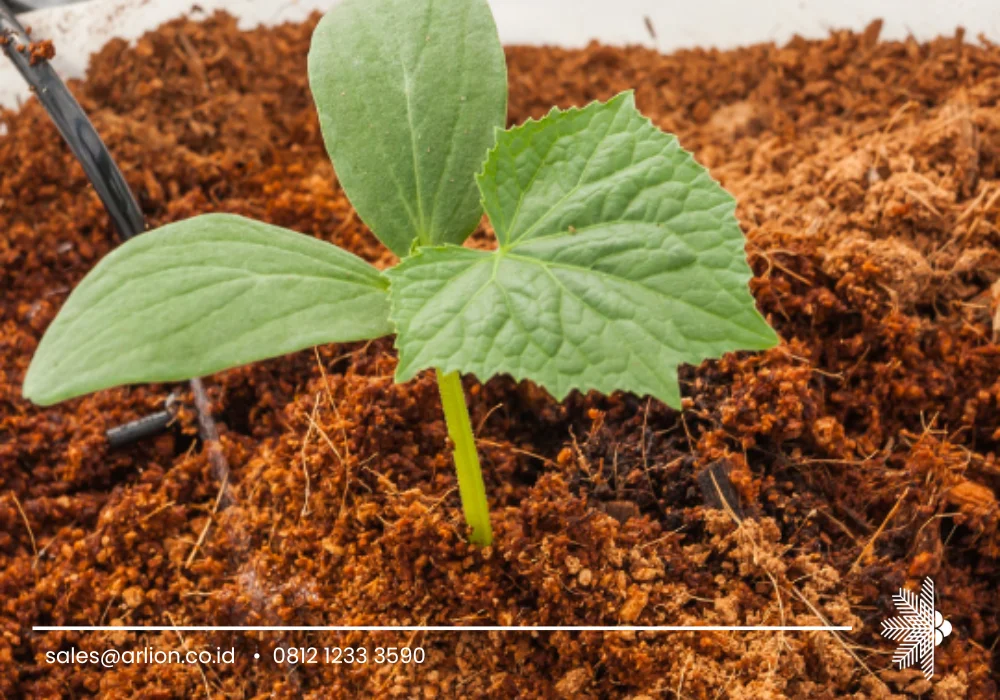
In recent years, the combination of coco peat and bark components has been highlighted in informative reports as a practical response to modern cultivation challenges, especially in controlled farming systems and commercial nurseries.
Understanding Coco Peat Bark and Its Composition
Coco peat bark is derived from finely ground coconut husk fibers, while bark is typically sourced from processed tree bark used to improve structure and aeration. When combined, these materials create a balanced growing medium that supports root development and moisture management.
Industry publications explain that coco peat bark blends are designed to retain water efficiently while still allowing excess moisture to drain away. This balance is essential for preventing root rot and ensuring consistent oxygen supply to plant roots.
Natural Origin and Processing Methods
The raw materials used in coco peat bark production are agricultural byproducts. Coconut husks are collected after food processing, while bark is sourced from responsibly managed forestry operations.
Processing usually involves washing, buffering, drying, and grading to ensure consistent quality. Informative sources emphasize that proper processing removes excess salts and stabilizes pH levels, making the medium suitable for a wide range of crops.
Benefits for Modern Cultivation Systems
One of the main reasons growers adopt coco peat bark is its adaptability. It is widely used in greenhouses, hydroponic systems, and container gardening due to its lightweight nature and stable structure.
Agricultural studies note that this medium helps improve root expansion, leading to healthier plants and more uniform growth. Its structure also reduces soil compaction, which is a common problem in traditional growing media.
Water Retention and Aeration Balance
Coco peat has a high water-holding capacity, while bark contributes to air-filled porosity. Together, they create an optimal environment for roots.
This balance allows growers to manage irrigation more efficiently. Informative cultivation guides often highlight that coco peat bark reduces water waste and supports consistent moisture levels, especially in climates with fluctuating temperatures.
Applications Across Agricultural and Horticultural Sectors
The use of coco peat bark is not limited to one type of crop. It is commonly applied in ornamental plant production, vegetable cultivation, and even in seedling nurseries.
In commercial horticulture, this medium is valued for its uniformity and ease of handling. Growers can customize blends depending on crop requirements, pot size, and local climate conditions.
Use in Sustainable and Organic Farming
As organic farming expands globally, demand for natural growing media continues to rise. Coco peat bark fits well within organic standards because it is biodegradable and free from synthetic additives when properly processed.
Informative reports from sustainable agriculture organizations indicate that this material supports soil health when mixed into existing substrates, contributing to long-term fertility and structure improvement.
Environmental and Sustainability Advantages
Environmental sustainability is a key factor behind the growing interest in coco peat bark. Traditional peat extraction damages wetlands and releases stored carbon into the atmosphere.
By contrast, coco-based materials utilize renewable resources and reduce waste from the coconut industry. Bark usage also adds value to forestry byproducts that might otherwise be discarded.
Contribution to Circular Economy Practices
The production of coco peat bark supports circular economy principles by turning waste materials into valuable agricultural inputs. Informative economic analyses show that this approach helps reduce landfill waste and promotes resource efficiency.
This model benefits producing countries by creating additional income streams for farmers, processors, and exporters involved in the supply chain.
Quality Standards and Global Market Trends
With increasing global demand, quality control has become a major focus. International buyers often require strict standards related to pH balance, electrical conductivity, and particle size distribution.
Market reports indicate that suppliers who invest in consistent processing and testing are better positioned to meet export requirements. Coco peat bark products are now shipped to major agricultural markets across Asia, Europe, and Australia.
Innovation in Product Development
Innovation continues to shape the market. Some manufacturers are developing pre-buffered or crop-specific blends to simplify use for growers.
Informative trade publications note that these innovations improve efficiency and reduce the learning curve for new users of coco peat bark in advanced cultivation systems.
Practical Considerations for Growers
When selecting a growing medium, growers are advised to consider crop type, irrigation method, and container size. Coco peat bark blends can be adjusted to suit different needs by varying the ratio of fine to coarse particles.
Proper storage is also important. Keeping the medium dry and protected from contamination helps maintain quality until use.
Handling and Reuse Potential
Another advantage highlighted in informative guides is reusability. With proper treatment and sanitation, coco peat bark can be reused for multiple growing cycles, reducing operational costs.
This characteristic makes it attractive for commercial growers aiming to balance sustainability with economic efficiency.
Future Outlook for Coco-Based Growing Media
The future outlook for coco peat bark remains positive as sustainable agriculture continues to expand. Governments, research institutions, and private companies are increasingly supporting alternatives to traditional peat-based media.
As awareness grows, this material is expected to play a larger role in global food production and ornamental plant industries, aligning productivity with environmental responsibility.
Conclusion
Coco peat bark represents a practical and sustainable solution for modern cultivation challenges. Its balanced physical properties, renewable origins, and adaptability across sectors make it a valuable component in contemporary growing media.
As global agriculture moves toward more responsible practices, coco peat bark is well positioned to support both environmental goals and productive outcomes for growers worldwide.
For further information, you may contact WhatsApp at (+61) 478797017 or via email at info@bertwin.com.au.