coco coir 30l has become a frequent subject in agricultural and horticulture news as growers worldwide seek sustainable and efficient growing media. In this opening paragraph, the background focuses on the increasing pressure on the farming and gardening sectors to reduce dependence on non-renewable resources while maintaining productivity, consistency, and environmental responsibility amid climate and soil challenges.
Growing Awareness of Sustainable Growing Media
The global horticulture industry is undergoing a significant transition. Traditional soil-based media and peat moss are increasingly scrutinized due to environmental concerns, including land degradation and carbon emissions. As a result, attention has shifted toward renewable alternatives that offer comparable or superior performance.
Coconut-based growing media have emerged as a strong solution in this context. Derived from coconut husk waste, coir products are now widely used in nurseries, greenhouses, and urban gardening projects. Among these products, coco coir 30l packaging has gained popularity due to its practicality, standard volume, and ease of handling for both commercial and small-scale users.
Background of Coconut Coir Utilization
Coconut husk was once viewed as a low-value byproduct of the coconut industry. Over time, research and innovation revealed its potential as a versatile growing medium. When processed into coir, the material offers high water retention, good aeration, and structural stability that supports healthy root development.
This transformation aligns with global efforts to promote circular economy practices. By converting agricultural waste into valuable inputs, producers help reduce environmental impact while creating new economic opportunities. News reports often highlight this shift as an example of sustainable innovation in agriculture.
Why Standardized Volume Matters
Standardized packaging plays an important role in modern horticulture. A fixed volume format allows growers to plan usage, storage, and transportation more efficiently. Coco coir 30l is often mentioned in industry discussions because it balances sufficient volume with manageable size, making it suitable for a wide range of applications.
For nurseries and garden centers, standardized volumes simplify inventory management. For end users, they provide clarity in mixing ratios and planting plans, which is particularly important in commercial growing operations.
Market Trends and Industry Adoption
The adoption of coconut coir products has accelerated alongside the growth of greenhouse farming, hydroponics, and urban agriculture. These systems require clean, lightweight, and consistent growing media that can perform well under controlled conditions.
Coco coir 30l has been widely adopted in seed starting, potting mixes, and container gardening. Its compatibility with modern cultivation techniques makes it attractive to growers who prioritize efficiency and sustainability. Market analysts note that demand continues to rise in regions focused on high-value crops and ornamental plants.
Applications Across Cultivation Systems
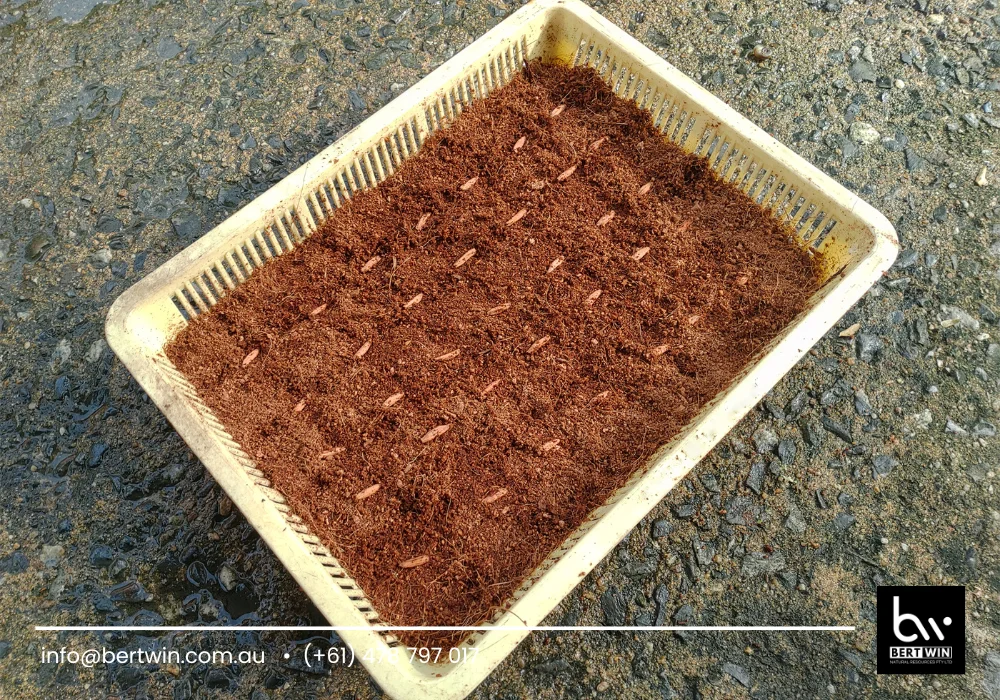
Coconut coir is used in various cultivation methods, from traditional container gardening to advanced hydroponic systems. Its porous structure allows roots to access oxygen while retaining adequate moisture, reducing the risk of waterlogging.
In nurseries, coir-based media support uniform seedling growth, which is critical for large-scale production. Greenhouse operators also appreciate its consistency, as it helps maintain predictable growing conditions across multiple planting cycles.
Economic and Environmental Impact
The expanding use of coconut coir products contributes positively to local economies in coconut-producing countries. Processing facilities create jobs and add value to agricultural byproducts that might otherwise go to waste.
From an environmental standpoint, the use of renewable coir reduces reliance on peat extraction, which is associated with habitat loss and carbon release. This environmental benefit is frequently highlighted in sustainability-focused news coverage and industry reports.
Quality, Processing, and Challenges
Despite its advantages, coconut coir must meet strict quality standards to perform effectively. Improper processing can result in high salt levels or inconsistent texture, which may negatively affect plant growth.
Producers invest in washing, buffering, and grading processes to ensure quality consistency. As demand grows, quality assurance has become a central topic in discussions surrounding coco coir 30l products in international markets.
Importance of Quality Control
Quality control ensures that the growing medium is safe, stable, and suitable for plant cultivation. Reliable producers implement testing protocols to monitor electrical conductivity, pH levels, and moisture retention capacity.
For professional growers, consistent quality translates into predictable results and reduced crop losses. This reliability strengthens trust between suppliers and buyers, supporting long-term market growth.
Innovation and Product Development
Ongoing innovation continues to improve coconut coir products. Research focuses on optimizing fiber-to-pith ratios, enhancing nutrient buffering, and developing blends tailored to specific crops.
Packaging innovations, such as compressed blocks and eco-friendly wrapping, also support efficient logistics and reduced transportation costs. These developments help expand access to coir products in international markets.
Future Outlook for Coconut Coir Products
As sustainability becomes a core principle in agriculture and horticulture, demand for renewable growing media is expected to remain strong. Coconut coir products are well-positioned to meet this demand due to their performance, availability, and environmental benefits.
In this evolving landscape, coco coir 30l represents a practical solution that aligns with modern cultivation needs. Its standardized volume, adaptability, and sustainable origin make it a relevant topic in ongoing industry discussions.
The broader message reflected in recent news is clear: sustainable materials are no longer optional but essential for future agricultural development. Coconut coir’s continued growth highlights how innovation and environmental awareness can work together to support productive and responsible farming systems.
For further information, you can contact WhatsApp (+62) 812-1233-3590 or via email sales@arlion.co.id.